
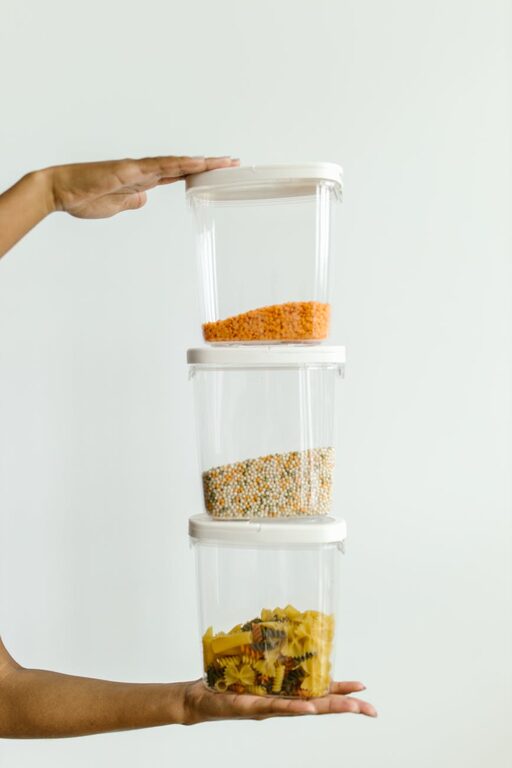
When it comes to cooking at home, planning meals around what’s already in your pantry can save both time and money. Pantry staples—those long-lasting ingredients that are always on hand—are the foundation for many delicious and nutritious meals. Learning how to plan meals from pantry staples not only helps reduce food waste but also makes your weekly cooking routine more efficient and enjoyable.
In this guide, we’ll explore how to properly stock your pantry, create meal plans using these staples, and share some simple recipe ideas to get you started.
What Are Pantry Staples?
Pantry staples refer to non-perishable or long-lasting ingredients you keep stocked in your kitchen. These foods have a long shelf life and form the base for many meals. Common pantry staples include:
– Dry grains: rice, pasta, quinoa, oats
– Canned goods: beans, tomatoes, vegetables, broth
– Baking essentials: flour, sugar, baking powder, baking soda
– Oils and vinegars: olive oil, vegetable oil, apple cider vinegar
– Spices and herbs: salt, pepper, garlic powder, chili flakes, dried basil
– Nut butters and sauces: peanut butter, soy sauce, hot sauce
By having a well-stocked pantry, you’re always ready to whip up a meal, even when you can’t make it to the grocery store.
How to Organize Your Pantry for Meal Planning
Before diving into meal planning, organizing your pantry can make a huge difference. Here are a few tips:
– Group similar items together: Keep all canned goods on one shelf, grains on another, and spices in a separate container or rack.
– Label containers: Use clear jars or bins for items like flour, rice, and pasta, labeling them for easy identification.
– Keep frequently used items accessible: Place the staples you use most often at eye level or in front.
– Check expiration dates regularly: Use the “first in, first out” method to ensure you use older items before they expire.
Steps to Plan Meals Using Pantry Staples
Planning meals from your pantry involves a blend of creativity and practical organization.
1. Take Inventory
Start by listing all your pantry staples. Group them by category—grains, canned goods, spices, etc. This visual overview will help you see what ingredients you have to work with.
2. Choose a Protein Source
Many pantry staples include canned or dried proteins such as beans, lentils, canned tuna, or chickpeas. These are versatile and can be the base of many dishes.
3. Select a Grain or Base
Combine proteins with a grain like rice, pasta, or quinoa. This combination forms the heart of your meal and keeps it filling.
4. Add Vegetables and Flavors
Use canned vegetables or frozen ones if you have them. To add flavor, rely on spices, herbs, sauces, or oils from your pantry.
5. Plan Varied Meal Types
To keep things interesting, plan different meal types such as soups, stir-fries, salads, casseroles, or pasta dishes using the same pantry ingredients with small tweaks.
6. Create a Weekly Meal Plan
Based on your inventory, sketch a weekly meal plan. This helps reduce last-minute decisions and ensures you use up pantry items.
Recipe Ideas Using Pantry Staples
Here are some simple and flexible recipe ideas to inspire you.
1. Chickpea and Tomato Curry
– Ingredients: canned chickpeas, canned tomatoes, onion (optional), garlic powder, cumin, chili flakes, oil
– Method: Sauté onion if available, add spices and oil, stir in chickpeas and tomatoes, simmer 15 minutes. Serve with rice or bread.
2. Pasta with Olive Oil and Garlic
– Ingredients: pasta, olive oil, garlic powder or fresh garlic, chili flakes, dried herbs
– Method: Cook pasta, toss with olive oil, garlic, chili flakes, and herbs. Add canned vegetables or beans for extra nutrition.
3. Lentil Soup
– Ingredients: dried or canned lentils, broth or water, canned vegetables, herbs, salt, pepper
– Method: Combine lentils, broth, and vegetables in a pot. Season and simmer until lentils are tender.
4. Rice and Bean Salad
– Ingredients: cooked rice, canned beans, canned corn, olive oil, vinegar, salt, pepper, herbs
– Method: Mix all ingredients, dress with olive oil and vinegar, chill for a refreshing salad.
Tips for Making the Most of Your Pantry Staples
– Experiment with spices: They drastically change the flavor of dishes, making the same ingredients taste different.
– Mix fresh and pantry items: Use fresh produce when available to boost nutrition.
– Batch cook: Prepare meals in larger quantities and refrigerate or freeze portions for later.
– Keep a running grocery list: Note staples you’re running low on so you can replenish without overbuying.
Conclusion
Meal planning with pantry staples is a practical and rewarding way to cook at home. With a well-organized pantry and a little planning, you can create a variety of tasty meals with minimal stress. Next time you face an empty fridge, remember that your pantry is your best friend in the kitchen.
By embracing pantry cooking, you’ll save money, reduce food waste, and develop a deeper appreciation for the ingredients you already have on hand. Happy cooking!