
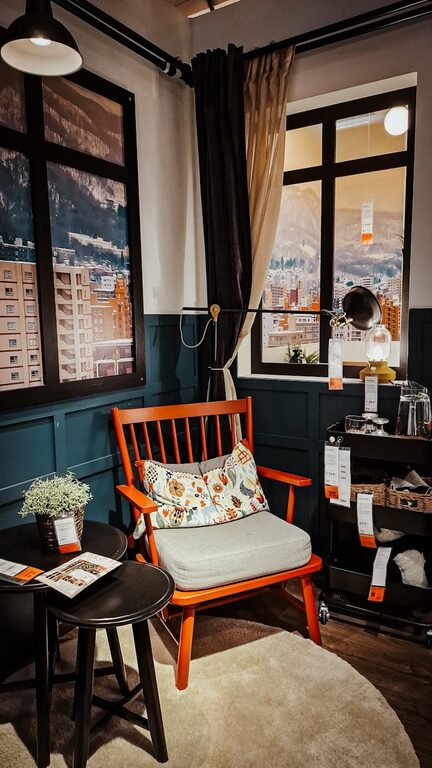
Creating a calm and peaceful atmosphere at home often begins with the colors you choose for your walls, furniture, and accessories. Colors have a powerful impact on mood and energy, and when thoughtfully selected, they can transform any space into a soothing sanctuary. If you’re looking to bring a sense of tranquility to your living environment, here are some practical tips for choosing calm colors that promote relaxation and harmony.
Why Choose Calm Colors?
Before diving into specific colors, it’s helpful to understand why calm colors matter. The right color palette can:
– Reduce stress and anxiety
– Improve focus and mental clarity
– Encourage restful sleep
– Enhance feelings of comfort and security
Calm colors usually have softer tones and lower saturation, helping to create a gentle visual environment. They tend to mimic nature—like soft blues of the sky, gentle greens of foliage, and warm neutrals of earth and sand.
Understand the Psychology of Calm Colors
Here’s a brief overview of some colors traditionally associated with calmness and why they work:
– Blue: Often called the most calming color, blue reminds us of the sea and sky, evoking feelings of peace and stability.
– Green: Symbolizing nature and renewal, green creates a refreshing yet relaxing vibe.
– Neutral Tones: Soft beiges, creams, and grays provide a warm, understated background that calms without overwhelming.
– Lavender and Soft Purples: These colors can promote relaxation and creativity without being too intense.
– Soft Pinks: When muted, pink can feel comforting, gentle, and nurturing.
Tips for Choosing Calm Colors for Your Home
1. Start with Natural Light Considerations
Lighting greatly affects how colors appear in your space. Start by observing your room’s natural light throughout the day:
– Bright rooms: Lighter colors or cooler tones help balance the brightness without feeling stark.
– Rooms with little natural light: Warmer colors and light neutrals can make the space feel cozier.
2. Use a Soothing Base Color
Pick one calm color as the base for your walls or large furniture pieces. This sets the tone for the room. Popular base colors include pale blues, soft greens, or warm beige shades.
3. Incorporate Layers with Different Shades
Using different shades of your base color adds depth and interest without disrupting the calm atmosphere. For example, mix pale blue walls with richer navy cushions or soft teal curtains.
4. Balance Cool and Warm Tones
While many calm colors tend to be cool (blues, greens), combining them with warm neutrals like taupe, sand, or ivory creates balance and keeps the room inviting.
5. Avoid High Saturation and Brightness
Highly saturated or very bright colors can be energizing or even stressful. Opt for colors with a subdued, muted, or pastel quality to maintain calmness.
6. Use Accent Colors Sparingly
Accent colors can add personality and prevent a space from feeling too monotonous, but keep them limited and soft. Dusty rose, muted mustard, or soft coral can work well in small amounts.
7. Consider the Purpose of the Room
Think about how you want to feel in each room:
– Bedroom: Soft blues, lavenders, or gentle greens promote relaxation for sleep.
– Living room: Neutral tones with accents of calming greens or blues create comfort and sociability.
– Home office: Pale greens or soft blues may improve focus without overstimulation.
Practical Ways to Apply Calm Colors
Paint and Walls
Painting walls is the most direct way to introduce calm colors. If a whole room feels like too much, consider an accent wall or gentle stripes.
Furniture and Upholstery
Soft-colored sofas, chairs, or cushions can reinforce the calm palette and bring softness to the space.
Accessories and Textiles
Throw blankets, rugs, curtains, and artwork in calm colors can tie everything together.
Natural Elements
Incorporate natural materials like wood, stone, or plants. These complement calm colors and add texture and warmth.
Final Thoughts
Choosing calm colors for your home is all about creating an environment that feels relaxing and inviting. By focusing on muted, nature-inspired hues and balancing shades with appropriate lighting, you can design a space that supports your well-being and everyday comfort.
Remember, the most important thing is to find colors that resonate with you personally. Experiment with samples and take your time to create a peaceful home you love coming back to.
—
Feel free to share your favorite calm color combinations or decorating tips in the comments below!